

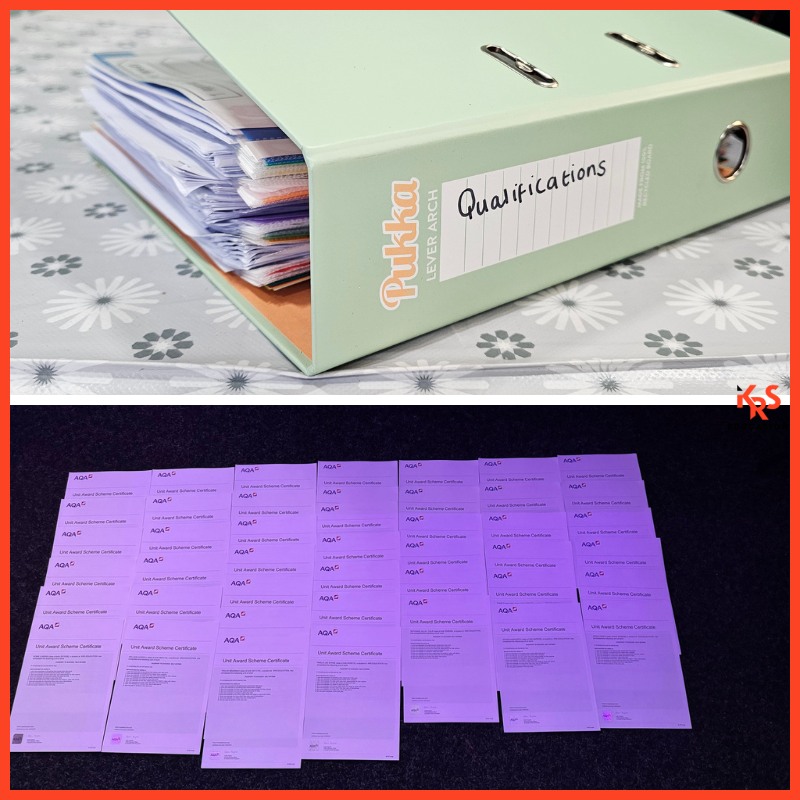
If you’re supporting a child with SEN/SEMH needs, anxiety, or disrupted education, you may be looking for a qualification pathway that feels achievable and confidence-building. The AQA Unit Award Scheme can be a brilliant way to recognise progress in small steps and it can also support a steady route towards Functional Skills.
This guide explains AQA Unit Awards in plain English, with examples and a simple pathway.
TL;DR
· AQA Unit Awards recognise achievement in small, manageable units.
· They can be especially supportive for learners with SEN/SEMH, anxiety, or school refusal.
· Unit Awards can help build skills and confidence towards Functional Skills Entry Levels, Level 1, and Level 2.
Glossary (quick definitions)
· Unit: A small topic or skill set (for example, a short Maths skills focus).
· Outcome: What the learner must be able to do to achieve the unit.
· Evidence: Proof the learner has met the outcomes (work samples, photos, documents).
· Portfolio: A collection of evidence for units completed.
· Moderation: A quality check process to confirm standards are met.
What is the AQA Unit Award Scheme?
The AQA Unit Award Scheme (UAS) is a way to accredit learning in bite-sized steps. Instead of working towards one big exam-only outcome, learners complete individual units with clear success criteria.
Each unit has:
· A clear title and focus
· A set of outcomes (what needs to be demonstrated)
· Guidance on what evidence can be used
When a unit is completed and evidenced, it can be submitted for certification.
Why Unit Awards work well for SEN/SEMH learners
Many learners with SEN/SEMH needs are capable but traditional pathways can feel overwhelming because progress can be hard to see.
Unit Awards can help because they:
· Break learning into smaller, achievable goals
· Create frequent wins (which supports motivation)
· Reduce the pressure of one big exam being the only measure of success
· Support learners who need predictability, routine, and clarity
· Help rebuild confidence after missed schooling or anxiety-related disruption
They can also be a good fit for learners who:
· Need more time to consolidate skills
· Find written recording difficult (evidence can be flexible)
· Benefit from practical, supported learning
How it works (step-by-step)
Here’s the typical process, in simple terms.
1. Choose the right starting point A learner starts with units that match their current level, not their age.
2. Teach the unit in small chunks Lessons focus on the specific outcomes for that unit.
3. Collect evidence as you go Evidence is gathered naturally during learning no need to perform on one day.
4. Check the outcomes are met The tutor/teacher confirms the learner can consistently demonstrate the skills.
5. Build a simple portfolio Evidence is organised so its clear what unit it relates to.
6. Submit for certification Units are submitted, and certificates are issued once verified.
What does evidence look like? (simple examples)
Evidence doesnt have to be complicated. It just needs to clearly show the learner has met the outcomes.
Examples include:
· A scanned worksheet or booklet page
· A photo of completed work
· A short written response in a Word document
· A screenshot of an online task
· A teacher/tutor observation record (where appropriate)
Example: Maths evidence
· A learner completes 810 questions showing they can add two-digit numbers with regrouping.
· A photo of working-out plus a short note confirming the learner explained their method.
Example: English evidence
· A learner writes a short paragraph using capital letters and full stops correctly.
· A reading task with comprehension answers.
The key is: evidence should be achievable and low-pressure.
Suggested pathway: Entry Level Level 1 Level 2
A common confidence-building route looks like this:
· Entry Level units: rebuild foundations and reduce anxiety
· Level 1 units: strengthen independence and consistency
· Level 2 preparation: move towards Functional Skills Level 2 outcomes
This approach is especially helpful when a learner has gaps due to persistent absenteeism or needs a calmer pace.
How Unit Awards can support Functional Skills
Functional Skills exams still matter but Unit Awards can make the journey feel more manageable.
Unit Awards help by:
· Making progress visible (units completed = proof of learning)
· Strengthening the exact skills needed for Functional Skills
· Reducing overwhelm by focusing on one skill set at a time
· Supporting confidence before exam entry
How schools can use Unit Awards (and certification options)
Schools often use Unit Awards to:
· Recognise progress for learners working below age-related expectations
· Provide evidence of achievement for SEN support plans
· Build a structured, accredited pathway alongside other learning
Unit Awards can also support learners who are:
· In alternative provision
· On reduced timetables
· Educated at home with school involvement
If youre a school, Unit Awards can be a practical way to show progress in a meaningful, accredited format.
FAQs
Are AQA Unit Awards the same as Functional Skills?
No. Unit Awards accredit learning in small units. Functional Skills are separate qualifications with exams. Unit Awards can be used as a supportive pathway towards Functional Skills.
Do Unit Awards help anxious learners?
They can, because they create smaller goals and frequent success, which often reduces pressure and builds confidence.
Can evidence be submitted online?
Often yes evidence can include photos, documents, and digital work, depending on how the programme is run.
How do we know when a learner is ready for the exam?
A calm, structured programme should include regular checks. Many learners benefit from a dedicated test week to confirm progress before exam entry.
Next step: talk through the best pathway
If youre not sure whether Unit Awards, Functional Skills, or a blended approach is best for your child, you can speak with us and well help you choose a calm, realistic plan.
At The Inclusive Classroom, families can choose:
· 1:1 online tutoring (anywhere in England)
· Small online group classroom sessions
· Local learning at our centre (for families nearby)
· A weekly subscription with lessons, resources, and videos to work at your own pace
We can also include a test week to check progress before a learner is entered for their online exam, so they feel prepared and confident.


