

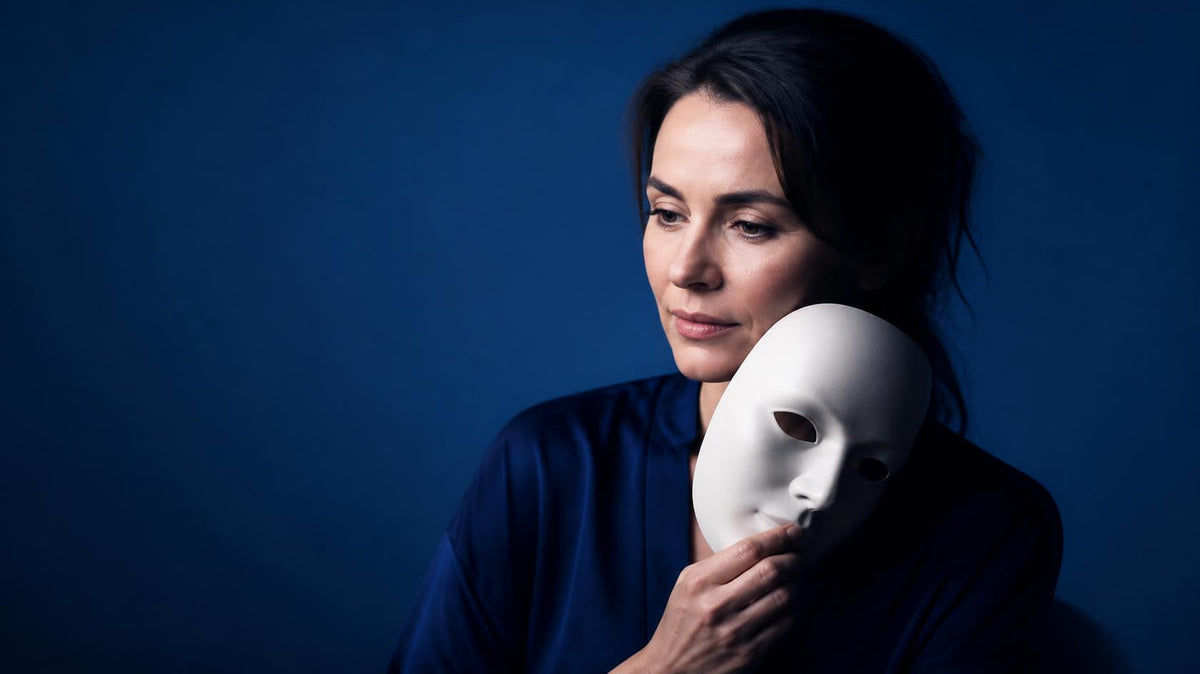
Masking is one of those things that can be hard to spot—because on the outside, a child (or adult) can look “fine”. They might be polite, quiet, high-achieving, or even seen as “no trouble at all”. But inside, they may be working incredibly hard just to get through the day.
In SEMH terms, masking often shows up when someone is managing big feelings, anxiety, sensory overwhelm, social confusion, or fear of getting things wrong—by hiding it.
This blog is here to explain what masking is, who it affects, how it can look different in boys and girls, and why adults often mask too. It’s also a gentle reminder: if someone’s behaviour looks calm, it doesn’t always mean they feel safe.
What is masking (in SEMH terms)?
Masking is when a person hides their true feelings, needs, or difficulties in order to fit in, avoid judgement, or stay safe socially.
In SEMH (Social, Emotional and Mental Health), masking can include things like:
- Forcing a smile when you feel panicked
- Staying silent when you’re confused or overwhelmed
- Copying other people’s behaviour to “blend in”
- Holding everything in during the school day, then melting down at home
- Being the “helper” or “good student” to avoid attention
- Avoiding asking for help because it feels risky or embarrassing
Masking isn’t about being dishonest. It’s usually a survival strategy—especially for children who’ve learned (directly or indirectly) that their needs are “too much”, or that showing emotion leads to consequences.
Why do people mask?
People mask for lots of reasons, including:
- Fear of being told off or excluded
- Past experiences of being misunderstood
- Anxiety about getting things wrong
- Pressure to behave “normally”
- Trying to avoid bullying
- Wanting to be liked
- Not having the words to explain what’s happening inside
For some children, masking becomes so normal that they don’t even realise they’re doing it. They just know that school is something to “get through”.
Who does masking affect?
Masking can affect anyone, but it’s especially common in people who are:
- Neurodivergent (for example autistic, ADHD, dyslexic, dyspraxic)
- Living with anxiety
- Experiencing trauma or chronic stress
- Struggling with emotional regulation
- Sensitive to sensory input (noise, lights, crowds, touch)
- Managing low self-esteem or perfectionism
Masking is also relevant for SEMH because it can hide needs until they become a crisis. A child might appear to cope for weeks or months, then suddenly:
- stop attending school
- become physically unwell with anxiety
- experience burnout
- have intense meltdowns at home
- withdraw socially
- develop low mood or depression
How masking can look different in boys and girls
Masking isn’t “a girls’ thing” or “a boys’ thing”—but social expectations can shape how it shows up, and how quickly adults notice.
Masking that’s more often noticed in boys
Some boys may be more likely to have their distress noticed when it comes out as:
- anger or “challenging behaviour”
- refusal
- impulsivity
- visible dysregulation in school
That doesn’t mean boys don’t mask. Many do—especially boys who are anxious, sensitive, or desperate not to be singled out.
Masking that’s more often missed in girls
Girls are often socialised to be:
- polite
- helpful
- quiet
- “mature”
- emotionally aware of others
So masking can look like:
- being overly agreeable
- copying friends
- “people pleasing”
- perfectionism
- anxiety that’s hidden behind achievement
- exhaustion after social situations
This is one reason why some girls’ needs can be missed for longer—because they may be working hard to look “fine”.
Important: these are patterns, not rules. Every child is different, and masking can happen across all genders.
Are adults more likely to mask?
Often, yes.
Adults have had more time to learn what gets praised, what gets judged, and what gets punished. Many adults also have responsibilities that make it feel impossible to “fall apart” in public—work, parenting, bills, relationships.
Adults may mask by:
- appearing confident while feeling anxious
- staying busy to avoid feelings
- avoiding social events but pretending they’re “just tired”
- over-preparing, over-working, over-achieving
- smiling through burnout
- minimising their own needs (“others have it worse”)
For some adults, masking has been happening for so long that they don’t recognise it as masking—they just think it’s “being an adult”.
But long-term masking can be exhausting. It can lead to:
- burnout
- anxiety and depression
- loss of identity (“Who am I when I’m not performing?”)
- physical symptoms (headaches, stomach aches, fatigue)
- feeling disconnected from others
Facts (to make you think)
There are a few widely reported UK realities that help explain why people mask—especially children and young people:
- Mental health needs among children are significant and rising. NHS England has reported increasing numbers of children and young people with a probable mental disorder in recent years.
- Waiting times for support can be long, meaning many families are managing without help for extended periods.
- School attendance challenges and “emotionally based school avoidance” are widely discussed across the UK, often linked with anxiety, unmet needs, and feeling unsafe in school environments.
- Neurodivergent children and young people can be misunderstood when their needs don’t match the “typical” school environment—leading some to mask to avoid negative attention.
Signs someone might be masking (especially children)
Masking can be hard to spot, but you might notice:
- “Perfect” behaviour at school, but distress at home
- Exhaustion after social time
- Frequent headaches/stomach aches with no clear cause
- A child who never asks for help (even when they’re stuck)
- Big emotional reactions to small changes at home
- High anxiety about being in trouble or being “wrong”
- Sudden shutdowns (going quiet, blank, withdrawn)
A key message: meltdowns at home can be a sign of trust, not “bad behaviour”. Home is often where the mask finally comes off.
What helps (without forcing someone to unmask)
No one should be pressured to unmask on demand. The goal is safety and acceptance, not exposure.
Support can include:
- predictable routines and clear expectations
- calm spaces and sensory breaks
- giving choices (including “not right now”)
- using visuals/checklists
- emotion coaching (“I can see this is a lot”)
- reducing shame-based language (“Stop overreacting”, “You’re fine”)
- building one trusted relationship at school
Most of all: believe the child’s experience, even if you can’t see it.
“Masking? Not today.” — A message that matters
If you’ve ever felt like you have to hide who you are to be accepted, you’re not alone.
Sometimes a small statement can feel like a deep breath—permission to be real.
If you want to wear that message (or gift it to someone who needs it), you might love our hoodie:
Masking? Not today.
https://theinclusiveclassroom.co.uk/products/masking-not-today-hoodie-awdis-varsity-neurodiversity-mental-health-statement-hoodie
Masking? Not today.
https://theinclusiveclassroom.co.uk/products/masking-not-today-hoodie-awdis-varsity-neurodiversity-mental-health-statement-hoodie
It’s more than clothing. It’s a reminder: you shouldn’t have to perform to deserve belonging.


